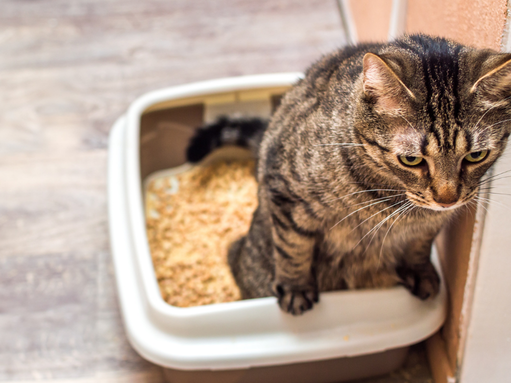
Feline inappropriate elimination – medical and behavioral diagnostic strategies
The Complexity of Litter Box Aversion
Dealing with a cat avoiding its designated elimination area is one of the most distressing challenges for any owner. Feline inappropriate elimination is frequently misinterpreted as a behavioral protest or an act of spite. In veterinary behavioral medicine, this issue is strictly recognized as a critical clinical symptom indicating underlying physical pain, environmental inadequacy, or profound psychological distress. Addressing this condition requires a methodical, evidence-based diagnostic framework rather than random environmental changes.
The Crucial Step of Medical Exclusion
The foundation of any professional behavioral intervention begins with a comprehensive veterinary assessment. It is a clinical imperative to rule out physiological disorders before modifying the cat’s environment. Conditions such as feline idiopathic cystitis, urinary tract infections, renal disease, or gastrointestinal distress frequently manifest as litter box avoidance. An animal experiencing pain during elimination will quickly form a negative association with the box itself, prompting it to seek alternative, softer surfaces. Proceeding with behavioral modification without prior medical clearance is fundamentally flawed and compromises the animal’s welfare.
Environmental and Resource Analysis
Once medical causes are definitively excluded, the diagnostic focus shifts to a meticulous environmental audit. Cats are highly territorial and fastidious animals with strict preferences regarding their elimination sites. An expert assessment evaluates the spatial distribution of essential resources, ensuring that litter boxes are situated in quiet, secure, and easily accessible locations. Factors such as substrate texture, box dimensions, and rigorous hygiene protocols play a pivotal role in the animal’s willingness to use the designated area.
Identifying Psychological and Social Stressors
Beyond the physical setup of the litter box, social dynamics significantly influence feline elimination habits. Inter-cat tension, often subtle and unnoticed by human observers, can lead to resource guarding and spatial restrictions. Furthermore, changes in the household routine or unfamiliar olfactory stimuli can trigger profound anxiety. A targeted intervention relies on identifying these specific psychological stressors and implementing structured environmental enrichment to restore the cat’s sense of security and territorial confidence.
